Author Archives: Handle Mash Fitness Blog

Unknown's avatar

About Handle Mash Fitness Blog

Here are you can find best health and fitness tips

Nutrition When Breastfeeding

I enjoy learning about diet. I had to be really careful about what I ate throughout pregnancy, but it was easy because I had morning sickness all the time and didn’t have any horrible cravings. Since none of the meals sounded appetizing, I might as well eat healthily. But after my baby was born, my hunger returned! I consumed a great deal of each food. While not all of my decisions were poor, I wasn’t very cautious and wasn’t concerned about it. Since I was no longer pregnant, there should be no concerns regarding the health of the unborn child.

However, what about nursing?
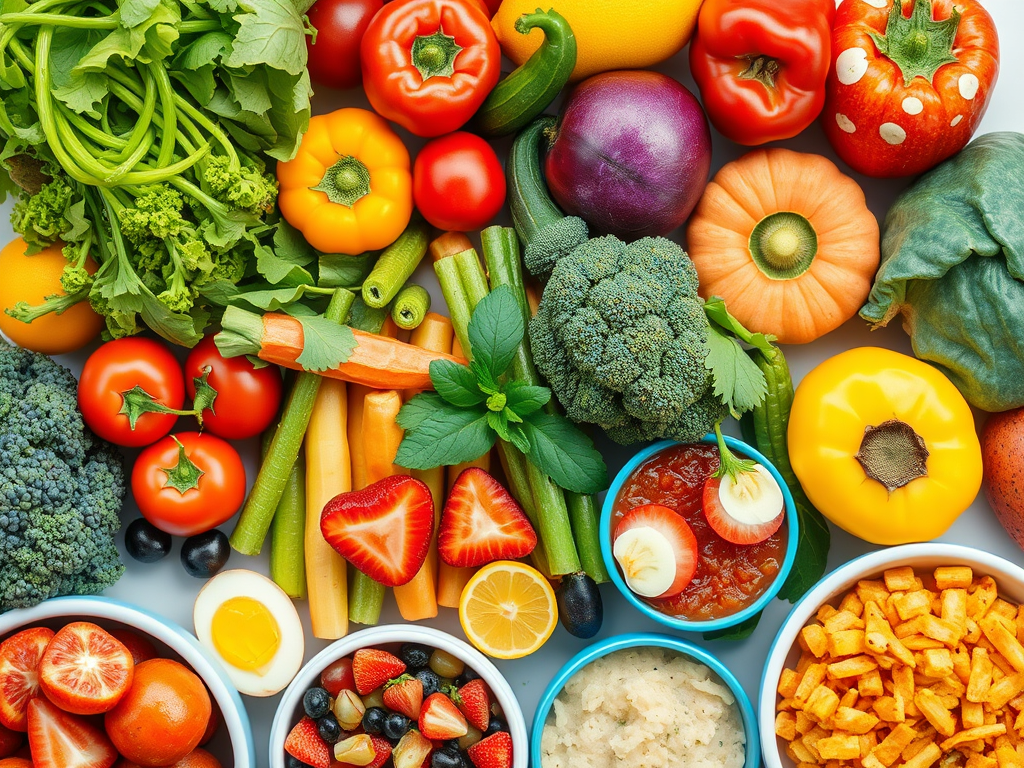
In fact, there can be issues with nursing nutrition. Many people are curious about how to eat to get the best amount and quality of breast milk. However, is there anything that diet can truly assist with?

The response is a little unclear. Actually, there isn’t much evidence to support the claim that a certain meal type is particularly beneficial for milk production and quality.

From a more general evolutionary standpoint, this is most likely a beneficial thing. At all costs, your body is set up to safeguard your milk supply. Your breast milk production would most likely continue for a while even if you were to go through a famine and find very little food at all. To safeguard that milk supply, your body will draw on its reserves, which naturally safeguards the infant.

Read More: Best Pediatric Doctor in Lucknow

Can I eat whatever I want, then?

Even while your dietary decisions may not have a significant impact on the quantity and quality of your milk, they can undoubtedly have an impact on other aspects. People who eat poorly feel less happy. Your energy levels may be low, or you may be particularly irritated. You might have more difficulty falling asleep. Feeling your best as a new parent is undoubtedly beneficial, and eating well is a terrific way to do this.

Your ability to breastfeed can undoubtedly be impacted by your mood and amount of energy. You will have more energy, sleep better, and be more inclined to continue nursing as frequently as necessary to guarantee a good milk supply—even if that means getting up frequently and patiently sitting through cluster feeding days.

How is the infant doing?

Even when you have an abundance of high-quality milk, your infant may be impacted by certain factors.

For instance:

Use caffeine with caution. Although caffeine does end up in your breast milk, a moderate dose shouldn’t have an impact on your unborn child. However, excessive caffeine use may have an effect. Your infant may become wakeful, restless, fussy, or angry. Keep an eye on your baby’s behavior in relation to your coffee intake because some babies are more sensitive to it than others. Iron levels in breast milk can also be decreased by ingesting more than 450 mg of caffeine per day, or four to five cups. Iron is a crucial vitamin for a baby’s development and is provided by breast milk until the baby is old enough to take solid foods.

foods that cause allergies. Certain foods you eat can cause sensitivities in some newborns, which are then transferred through breast milk. For instance, some babies have a dairy allergy, though this is uncommon. The babies may exhibit some really clear symptoms when they consume dairy products, but your breast milk is not the issue. They can develop a skin rash, colic, or stomach pain. They might even experience breathing difficulties, bloody diarrhea, and vomiting. If you see any of the symptoms, it’s critical to get in touch with your pediatrician right away because this might be rather serious. Fortunately, you can stop it from continuing if you cut dairy out of your diet while nursing. Additionally, it may be wise to closely monitor what you eat and how your baby reacts after their next meal if either parent or a sibling has a history of severe food allergies.

Postpartum recovery nutrition
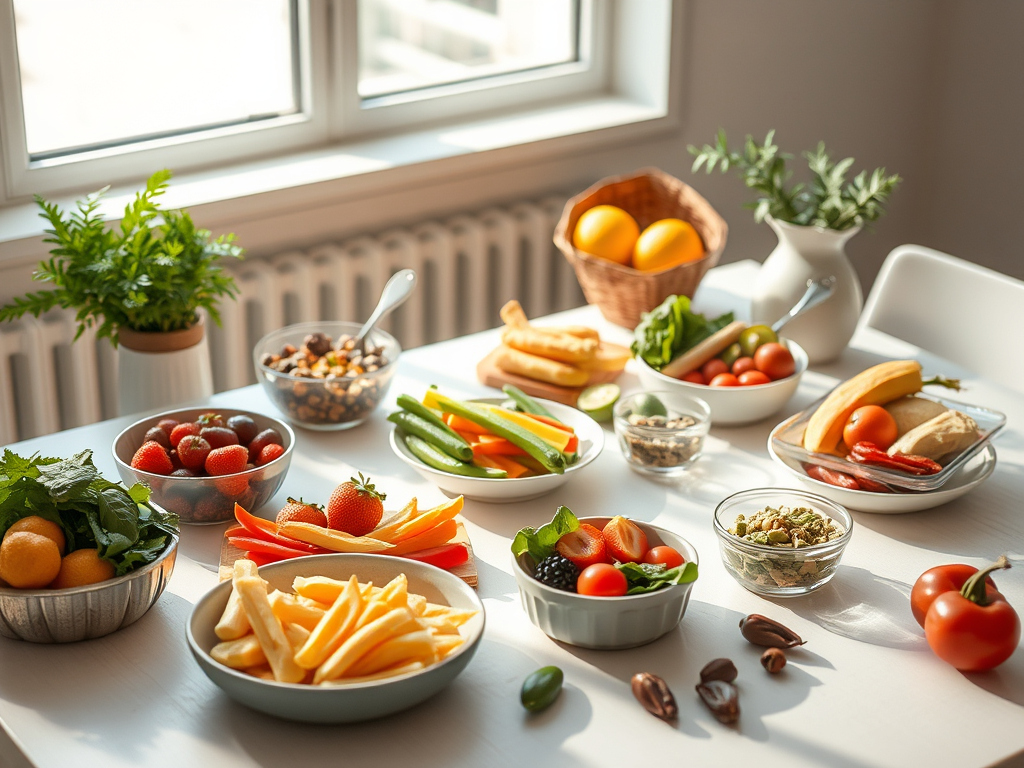
There are also significant changes occurring in a postpartum body, even though your breast milk supply may not be particularly sensitive to your diet. It’s critical to provide your body with healthy nourishment as it heals after pregnancy and childbirth. Energy levels, mood swings, postpartum hemorrhage, and digestion can all be greatly improved with proper diet. All of these are places where postpartum healing is difficult.
During this time, your uterus is contracting and changing, while your other organs are returning to a more typical position. This change may have an impact on bowel movements, urine, and digestion. It helps when you eat healthily and drink plenty of water.

After birth, you suffer a significant drop in several hormones, and it may take some time for them to return to their normal balance. You might be depressed or unhappy. You may become agitated. You may have poor energy and difficulty sleeping. You might have increased anxiety. Although eating healthily won’t “fix” all of these symptoms, it will help you make sure that you’re not exacerbating them, and a healthy diet can undoubtedly help.

After giving birth, vaginal bleeding may be extremely heavy for a few days before tapering down and stopping entirely over the course of several more weeks. By six weeks, most people stop bleeding. To ensure that the blood loss has as little impact as possible on your health and mood, you should make sure you’re obtaining all the nutrients you can from your diet and drinking lots of water.

Iron

Maintaining healthy blood iron levels is crucial for two reasons. Your iron levels may decrease as a result of persistent vaginal bleeding. It’s also critical that your infant has adequate iron, which is provided by your breast milk. Your baby will receive less iron if your iron levels drop. Some foods that are high in iron include these.

It is always best to absorb heme iron. In other words, iron derived from animals. Additionally, the highest iron content comes from these sources:

Clams and other shellfish rank highest by far!
Organ flesh comes next. Yes, the kidneys, liver, and heart.
Red flesh next.
Thigh of chicken
Salmon

Although non-heme iron and vegetable sources have a far lower iron concentration and are less absorbable, you can still obtain some additional iron from:

Cocoa powder without sugar
Cashews with Natto
Spinach cooked
The Tahini
Beans that have been cooked
Tough tofu
Broccoli
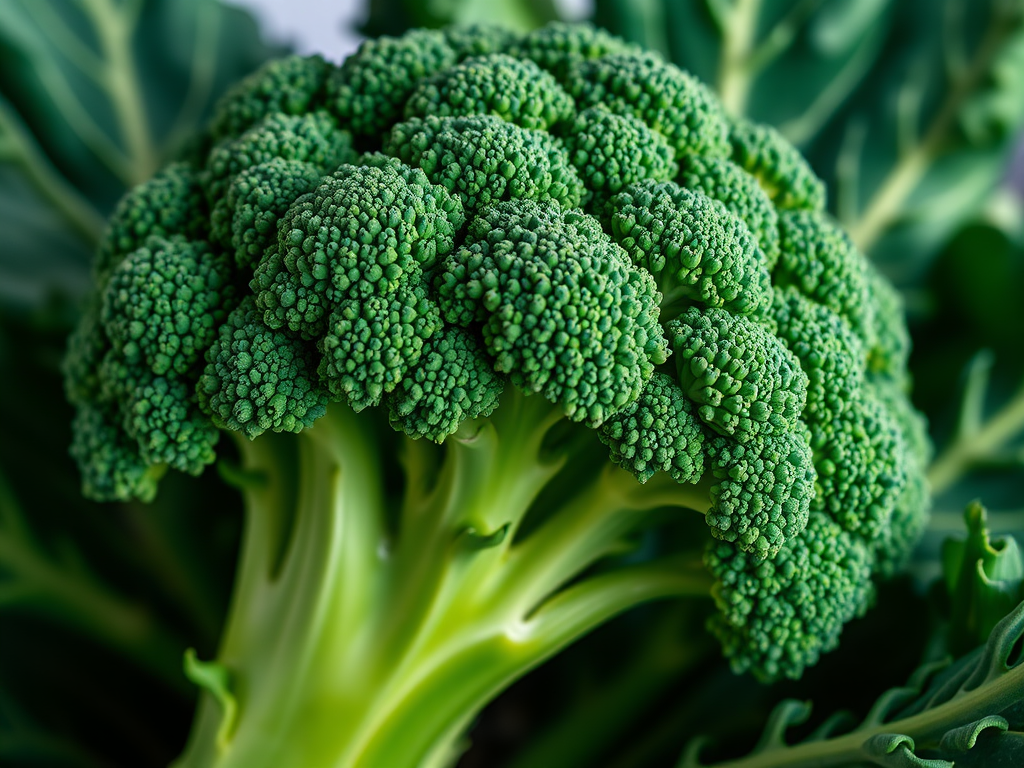
Some people still require supplements, so you may include some of this in your rotation. If you experience any of the following signs of iron-deficiency anemia, consult your provider:

Having yellow, “sallow,” or pale skin
Inexplicable exhaustion or low vitality
Chest pain or shortness of breath, particularly during physical activity
Generalized weakness that cannot be described
Fast heartbeat
“Whooshing” or pounding in the ears
headache, particularly when you’re active
A “picophagia” is a craving for clay or ice.
Smooth or sore tongue
Hair loss or brittle nails

When you eat well, you can never go wrong. You’ll feel and look better, mend and recover more quickly, and you might even make sure you’re producing the greatest breast milk possible. Healthy eating is, in my opinion, the best kind of self-care. Eating healthily can require some time and work, but the benefits are significant. You’re worthy!
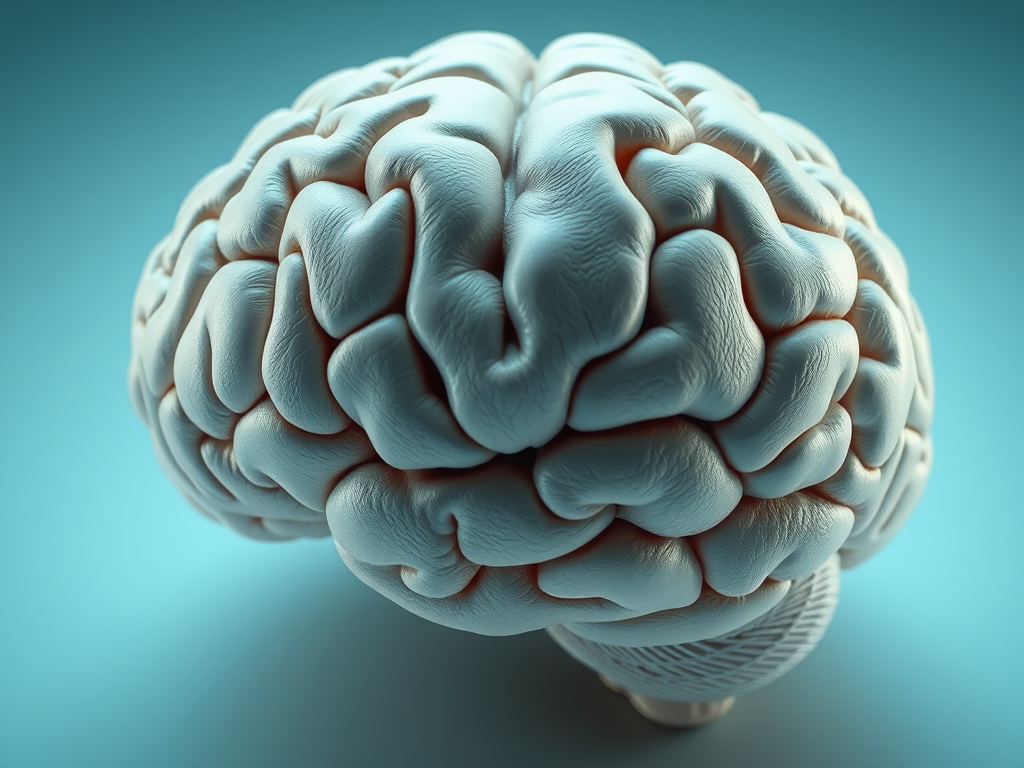
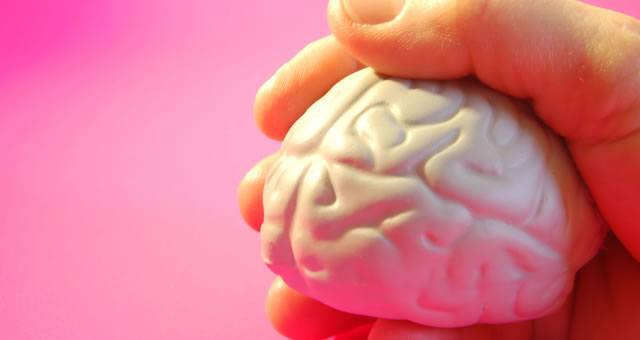
10 Best Foods for Better Brain Wellness and Memory

The food you eat powers your brain. Your brain is always active, even when you sleep. It controls your nervous system and sends messages throughout your body. Foods that are good for your brain contain vitamins, minerals, and antioxidants. They help keep your brain healthy and protect it from damage and aging.

To help you build the best mind diet, we’ve put together a list of the ten foods that boost memory and help your brain work at its best. But before we begin, what are some similar nutrients found in all brain-healthy foods?

10 Best Good Food for Brain

These 10 things are good for your brain and can help improve your memory and overall health.

Fatty fish

Oily fish are a great source of omega-3 fatty acids, which makes them one of the good foods for memory. About 60% of your brain is made of fat, and 50% of your brain fat comprises omega-3 fatty acids. Omega-3s are important for building brain and nerve cells, and they help with remembering and learning. Studies show that eating fatty fish like salmon, trout, and sardines can help slow down mental decline as we age and may avoid diseases like Alzheimer’s, which causes memory loss.

Berries

Berries like strawberries, blueberries, raspberries, and mulberries are high in antioxidants, which help lower oxidative stress. A study shows that the vitamins found in berries can help:

Make it easier for brain cells to talk to each other.
Improve learning and memory by helping the brain to adapt and make new links.
Stop or slow down memory and thinking problems that can happen as people get older.

Whole Grains

High blood sugar is connected to reduced brain function. Unlike refined carbs, whole grains have a low glycemic index (the rate at which specific foods release sugar into the bloodstream). So, they take time to break down in your body and slowly release sugar, helping your brain work better.

Here are some healthy whole grain options to add to your mind diet:

Whole grain bread
Whole grain pasta
Quinoa Oatmeal
Brown rice
Buckwheat

Leafy green vegetables

Kale, spinach, lettuce, and broccoli are just a few of the many leafy greens that are good for your brain. They have important antioxidants, nutrients, and vitamins that help improve brain health and slow down memory loss. Green leafy veggies are rich in lutein and folate, which help lower inflammation in the brain and may help prevent Alzheimer’s disease.

Nuts and seeds

Just like oily fish, nuts and seeds also contain high amounts of omega-3 fatty acids and antioxidants, making them one of the best foods for the brain. They are also a rich source of Vitamin E, known to protect the brain from oxidative stress in old age. A study shows that eating nuts regularly can lower the chance of memory loss as we age. Women who eat nuts daily tend to have better memories as they age compared to those who do not eat nuts.You can add almonds, pecans, and sunflower seeds to your brain diet, but walnuts are the best for your brain because they have more antioxidants than other nuts and seeds.

Coffee

Caffeine in coffee can quickly make you feel more awake and improve how your brain works. It is a good source of vitamins that helps improve brain health as you age. Research shows that drinking coffee regularly throughout life may lower the chances of memory loss and Alzheimer’s disease.

Still, be careful not to drink too much coffee, as caffeine can affect your sleep and not everyone reacts well to it.

Oranges

A medium-sized orange is full of Vitamin C and can help improve your thinking skills and brain health. Vitamin C is a strong antioxidant that helps protect your brain cells from damage that can come with aging. It also helps stop mental health issues like sadness, anxiety, and schizophrenia. Other brain-friendly foods that have a lot of Vitamin C include:

Guavas Kiwis Tomatoes Bell peppers

Avocados

This tasty fruit is rich in healthy fats that lower blood pressure and help prevent memory loss. Avocados are good for your body and brain, making them great brain food for people of all ages. The natural fat in avocados helps improve blood flow, which also benefits brain health.

Eggs

Eggs are rich in important nutrients that are great for memory. Eating eggs regularly, which are high in vitamin B-6, B-12, and folic acid, can help keep your brain healthy and slow down memory loss. Egg yolk is a good source of choline, which helps with brain performance and memory.

Dark chocolate

If you love sweets, here’s a good reason to add dark chocolate to your diet. Dark chocolate contains strong antioxidants and natural stimulants like caffeine, which can boost your memory, attention, and mood! The flavonoids in dark chocolate help with learning and memory, and its antioxidants protect against brain decline.

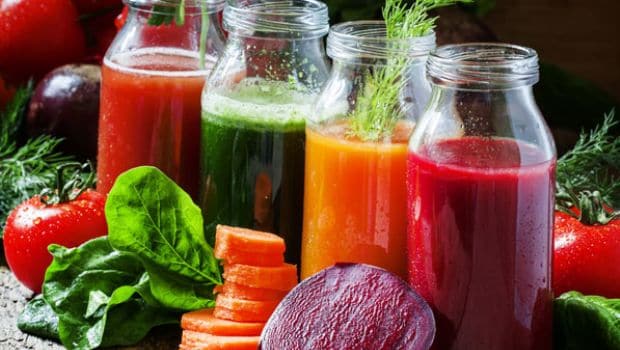
5 JUICES THAT ARE GOOD FOR YOUR HEALTH

Juices made from fruits, rhizomes and leaves, in addition to offering the attraction of natural and healthy food, can also have therapeutic effects. Usually very tasty and attractive due to their vibrant color, these juices are a true natural pharmacy.

Fruits are rich in the main nutrients necessary for good health. Therefore, they are able to nourish, stimulate, hydrate, calm, balance, strengthen the immune system and even cure some diseases. So, if you want to increase health, choose the ones you like best and make a habit of drinking healthy and natural juices daily.

5 JUICES THAT ARE GOOD FOR YOUR HEALTH

Check out 5 juices that are very good for health and should be included in your diet:

  1. Green juice
    There is a wide variety of green juices. In general, they are detoxifying (pineapple), moisturizing (apple, celery, cucumber), anti-inflammatory (mint, ginger) and very rich in iron (cabbage). You can combine these vegetables to your liking, beat them well in a blender with a little water for the juice and drink it in the morning.

When associated with a food education program, they are great helpers in the work of losing fat mass. For a detoxifying treatment, juice should always replace a meal of the day.

Related Topic: The Organifi Green Juice Powder is the best nutrient-rich powder made from 6 superfoods that work efficiently to detoxify the body and help burn excess fat fast!

  1. Beet juice with lemon
    Beet juice with lemon is one of the most nutritious juices that can be prepared in a simple and practical way. Rich in essential nutrients for the body, such as magnesium, potassium, iron, zinc, calcium, phosphorus, folic acid, vitamin C, nitrate, fibers and carotenoids, among others, this juice is unbeatable for health!

It is a powerful antioxidant and detoxifier with a special feature: its richness in nitrate gives it a persistent action against high blood pressure. A glass of beet juice with lemon a day, associated with a daily walk, is already capable of regulating mild and moderate cases of hypertension!

  1. Yam juice with lemon and apple
    Yam is composed of complex carbohydrates, which are slower to digest. Therefore, it does not generate spikes of glucose in the blood nor is it stored as fat. Yam is widely used by practitioners who seek to build lean body mass, as well as by people with diabetes .

The yam juice with lemon and apple, besides being especially nutritious, is a very good energy drink and a potent anti-inflammatory. In addition, by regulating progesterone in the female body, it is indicated for the solution of the unpleasant symptoms of premenstrual tension (PMS).

  1. Carrot juice with orange
    Orange juice with carrots is a happy combination of antioxidant, anticancer and anti-inflammatory forces. Especially for children, it should be eaten frequently.

Due to the action of vitamin A, this juice has an excellent protective action for vision, especially for night vision. Rich in carotenoids, the combination is also good for heart health.

  1. Orange juice with lemon, ginger and green tea
    Orange juice with lemon, ginger and green tea is extremely antioxidant and anti-inflammatory. It has special application in the flu states , strengthening the immune system and hydrating the body.

This juice is a wonderful source of vitamin C and its use is immediate. The anti-inflammatory and thermogenic action of ginger gives it a prominent place in the treatment of respiratory infections.

Green tea is prepared beforehand, which is then blended with orange and lemon juice, adding pieces of ginger while using the blender.

5 Foods To Boost Memory

Are you forgotten? 5 foods to boost memory

Have you ever gone to the fridge and stood there for a long time without remembering what to get? Or did you forget where you kept your house key and said, “I have a bad memory”? These situations may be signs that the brain needs to be stimulated.

For memory to function well, neurotransmitters play a very important role, especially acetylcholine and dopamine, which act on brain memories and emotions . And it is wrong to think that food and memory do not go together. Investing in foods that are rich in choline, the nutrient responsible for acetylcholine production, and antioxidants, is critical to turbocharging neurons.

Avocado

Source of good fats, it is rich in vitamin E, magnesium, folate and glutathione, which are essential nutrients for neurotransmitters. Magnesium facilitates the transmission of nerve impulse in the brain.

Broccoli and Spinach

Dark green vegetables are great for memory and protect the neuron from oxidation . In addition, they are rich in magnesium, quercetin, beta-carotene, glycosinolate, lutein, sulforane and fiber. Ideally, consume ½ cup three times a week.

Fatty Fish

Sardines, salmon, trout or tuna are rich in essential fats that the body cannot produce on its own, such as omega 3, which aids in neuron integrity and facilitates the passage of information . They are also sources of vitamins B6, B12 and B3

Oilseeds

Invest in nuts and nuts that are sources of selenium, mineral with high antioxidant power and protector of the neuron . They are also rich in vitamin E, alpha lalinolenic acid and ellagic acid that help in brain health

Eggs

Rich in serine, one of the nutrients responsible for dopamine formation, the food helps in attention . It is also rich in vitamin B12, choline (mainly yolk) and phosphorus

Better to avoid

Alcoholic Beverages

In excess, the liquid “steals” nutrients such as vitamins A, B1, B6, B12 and C, zinc magnesium and can cause dehydration, disrupting brain function

Processed foods

They are poor in nutrients and do not contribute to brain development . And they are still rich in trans fats, colorings, flavorings and acidulants

21 Neurobics Exercises

21 Neurobics Exercises that make the Brain Sharp

Like the body, our brains need stimulation to stay active and healthy. This is because over time, the brain also loses its productive capacity and, if not trained with exercise, can fail. Read our Mind Lab Pro vs Qualia Mind alternatives post on WTB.

How does neurobics work?

The neurobics is the inversion of the order of some common movements in our daily lives, altering our way of perception, without, however, having to modify our routine. The goal is to consciously perform actions that lead to emotional and brain reactions. These exercises range from reading the other way around to talking to a neighbor who never says good morning, but who touches on the physical, emotional and mental aspects of our body. “It is these habits that help stimulate nutrient production in the brain by developing its cells and making it healthier.

The more the brain is trained, the sharper it gets, but you don’t have to kill yourself on IQ tests or crossword puzzles to get satisfactory results. “These activities work, but neurobics are even simpler. Instead of signing up for a math super challenge and decorating formulas, how about dressing with your eyes closed or walking backwards?” The purpose of the neurobics is to change routine behavior to “force” memory. It is therefore recommended to turn photos upside down to focus attention or use a new way to go to work.

The role of the senses

The neurobics exercise program offers the brain unusual experiences, using various combinations of its senses – sight, smell, touch, taste, and hearing, as well as emotional and social “senses.”

Techniques to improve cognitive skills:

1- Stimulate the taste, eat different foods

2- Read or view photos upside down focusing on details you never noticed

3- Flip through a magazine and look for a photograph that catches your eye. Now think of 25 adjectives that you think describe the photographed image or subject.

When you go to a restaurant, try to identify the ingredients that make up the dish you have chosen and focus on the subtler flavors. In the end, take the nine test with the waiter or chef

Select a sentence from a book and try to form a different sentence using the same words.

6- Try playing any game or practicing any activity you have never tried before.

7- Buy a puzzle and try to fit the right pieces as fast as you can, timing the time. Repeat the operation and see if you have progressed.

8- Using a dictionary, learn a new word every day and try to introduce it (properly!)

9 – When reading a word think of five others that start with the same letter.

Routine Breaking Techniques

Changing the routine helps to get us out of the usual thinking patterns that lead us to autopilot. Try it:

10 – Wear the wristwatch on your right arm

11 – Walk around the house backwards

12 – Dress with your eyes closed

13 – See the time in a mirror

14 – Swap the computer mouse sideways

15 – Brush your teeth using both hands

16 – When you go to work, use a different route than usual

17 – Make small changes to your daily habits, making them challenging for your brain.

18 – Do some different activity with your other side of the body and stimulate your brain. If you are right handed, how about writing with the other hand?

Memorization Techniques

19 – When entering a room where there are a lot of people, try to determine how many people are on the left and right side. Identify the objects that decorate the room, close your eyes and list them.

20 – Try to memorize what you need to buy at the supermarket instead of making a list. Use memorization techniques or mentally separate the type of products you need. Provided they work, all methods are valid.

21 – Listen to the news on radio or television when you wake up. During the day write down the main points to remember

Read Our Next Post: Tips To Gain Muscle Mass

All The Tips To Gain Muscle Mass

Who doesn’t like to take care of themselves to be well with themselves, preserve their health and, moreover, feel more willing and beautiful?

Eat healthy, exercise, sleep well and cultivating habits such as reading, going to the movies, being with friends and family are basic ingredients for a good life.

Regarding body care and gaining muscle mass , it is essential to maintain an exercise routine and a diet that works to achieve this goal.

Why gain muscle mass

There are those who say they don’t work out because they don’t like a healed body. Unfortunately, those who attend the gym know that this does not happen without much dedication. Gaining muscle mass is extremely difficult , either because over the years the tendency is to lose it, or because gaining it requires much more effort than doing a standard series of exercises at the gym.

What to do?

There is no escaping the combo diet + exercise if you want to tone the shape , as the marombeiros say.

food

A good diet is essential to prevent diseases, to be willing, that is, to keep your health up to date, in addition to helping to gain muscle.

There are foods that contribute to muscle mass gain and there are others that should be avoided. There are different protocols to achieve this. It’s the nutritionist professional who will define the best protocol for you.

Maintaining an exercise routine and constancy in your practice are basic components to tone your muscles and avoid the accordion effect. First, you need to understand the difference between aerobic and anaerobic exercises so that you practice them both to lose weight, build muscle mass or define your body.

If you are in doubt about which of these two types of exercise you should practice the answer is: both. Both are effective in losing body fat as they speed up metabolism . However, the focus of anaerobic exercises is on increasing muscle mass, strength and toning.

Weight training, in addition to toning the muscles, helps you lose weight because, the more muscles the body has, the greater the speed of fat burning, since the body needs more energy.

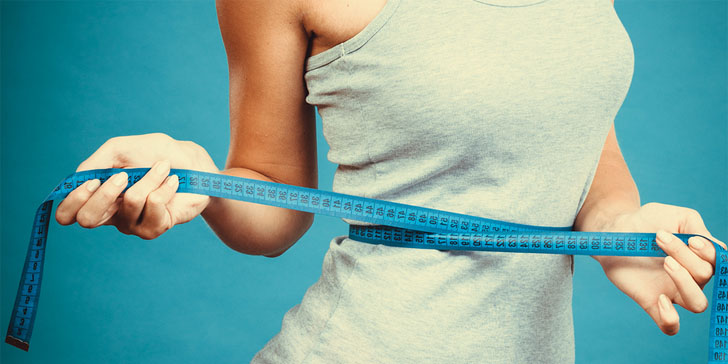
10 Tips To Lose Weight And Lose Belly

Creating good eating habits and practicing regular physical activity are important measures that contribute to weight reduction and improve quality of life. Weight loss in a healthy way has many benefits, such as increased energy and disposition, improved self-esteem, better control of hunger and strengthening of the immune system.

The ideal way to lose weight in a healthy way and to have a flat abdomen is to seek guidance from a nutritionist to carry out a complete nutritional assessment with a diet plan adapted to the person’s needs. It is also important to seek help from a personal trainer so that a training plan is indicated according to the goal you want to achieve. These strategies allow for progressive and sustained weight loss over time.

Check out 10 tips to reduce belly, lose weight and get fit in a few days:

  1. Eat raw and high fiber foods
    Raw, fiber-rich foods help improve bowel function and digestion, preventing constipation. In addition, they help you lose weight because they increase the feeling of satiety. They also help to keep the intestinal microbiota healthy, decreasing the risk of irritable bowel syndrome, Crohn’s disease or ulcerative colitis.

Some examples of foods with a high fiber content in the composition are oats, brown bread, raw carrots, apples, flaxseeds, lentils, lettuce, cucumbers, chia seeds, mushrooms, pears, strawberries, raspberries, blueberries, among others.

  1. Avoid sugary drinks
    Sugary drinks such as soft drinks, including light and diet, and industrialized juices should be avoided, as they contribute to the accumulation of fat at the abdominal level, as well as other health problems, such as cavities, obesity or diabetes, for example.
  2. Avoid frying
    Fried foods should also be avoided, since in addition to providing a lot of calories, they also increase the amount of trans and saturated fats, favoring the increase of LDL cholesterol, increasing the risk of heart disease, cancer, diabetes and obesity, due to its accumulation in the body.

The ideal is to prepare grilled, steamed or cooked foods, using natural spices, such as aromatic herbs and pepper to flavor foods.

  1. Avoid processed foods
    It is important to avoid consuming sauces such as ketchup and mayonnaise, for example, in addition to frozen processed foods or other processed products, as these foods have more salt and promote water retention, increasing the feeling of bloating. In addition, processed foods generally have a lot of preservatives in their composition, which can harm health
  2. Start meals with a plate of salad
    Starting meals with a shallow plate of salad or soup, serves to increase the feeling of satiety and control appetite. Eating a pear or an apple, about 20 minutes before lunch and dinner is also a good trick to increase satiety and decrease appetite, as they are fruits rich in fiber, allowing for a decrease in the amount of food you eat during your meals. main foods.
  3. Speed ??up metabolism
    Some ways to increase metabolism are to consume red pepper, green tea, ginger and ice water, because these foods are thermogenic and help the body lose calories, even if the person is standing still.
  4. Eat slowly and chew your food well
    Eating slowly, in a calm environment and chewing your food well allows satiety signals to reach your brain, indicating that your stomach is full. Acquiring this habit avoids eating excess food, favoring weight loss.
  5. Eat 6 meals a day
    The ideal is to have about 6 meals a day and chew your food well. When eating slowly, the brain is given time to understand that it already has food in the stomach and prevents the person from eating more than necessary. In addition, it also increases the time of contact with the taste buds, increasing the feeling of satiety.
  6. Drink plenty of water
    Drinking plenty of water helps to eliminate toxins accumulated in the body and hydrate the intestine, regulating its function. It is recommended to consume 2 to 2.5 L of water per day, and should be consumed between meals.

People who are not used to drinking water can taste it by adding a slice of lemon or cucumber, for example, which would allow them to increase their consumption more easily.

Acupuncture Treatment for Sciatic Nerve

What is sciatic nerve inflammation?

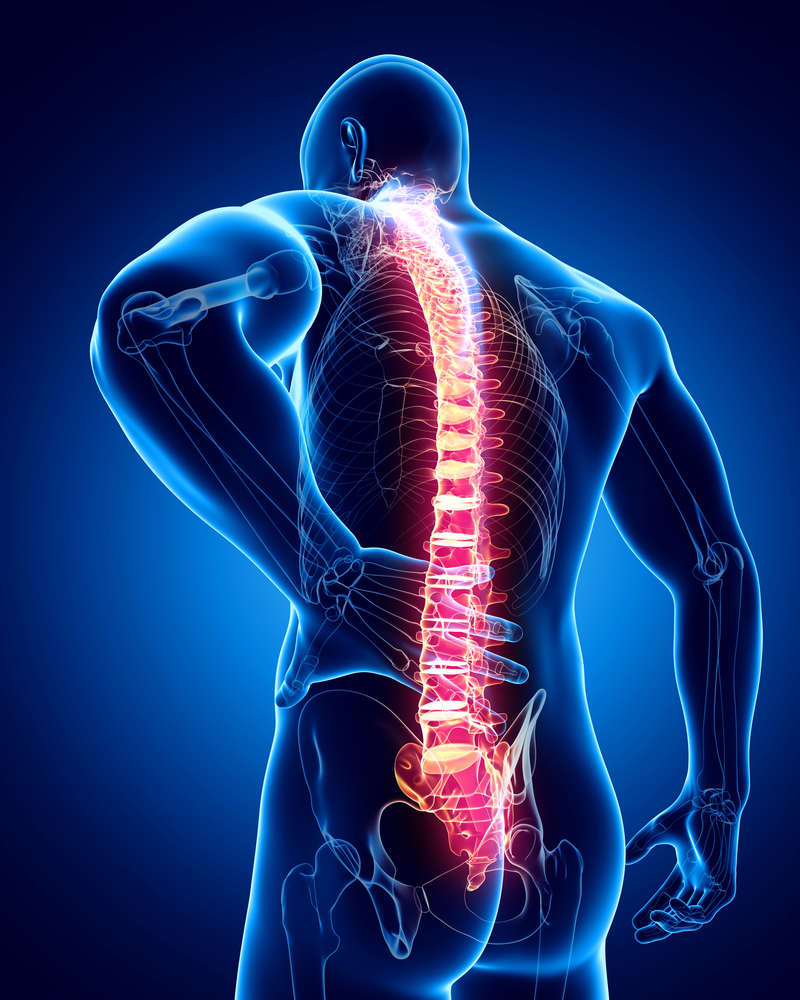
Sciatic nerve inflammation refers to back pain caused by a problem with the sciatic nerve. The sciatic nerve is a large nerve that runs from the lower back to the back of each leg.

When something hurts or presses the sciatic nerve, it can cause pain in the lower back that spreads to the hip, buttocks and leg.

Up to 90% of people recover from sciatic nerve inflammation without surgery, usually natural treatment without remedies is very effective and one of the most sought after methods is acupuncture.

Sciatic Nerve Treatment with Acupuncture

Studies have shown that acupuncture can relieve any type of lower back pain, including that caused by sciatic nerve pressure.

Acupuncture is a safe, natural alternative with no side effects and can be treated in conjunction with any other type of treatment. The most recommended treatments for sciatic nerve include acupuncture, moxibustion, wind therapy, auriculotherapy, among other natural therapies. But of course it is also worth avoiding to stay in any position for too long, which aggravates the pain. Many people believe that treatment with medicines is not effective or raise concerns about the long-term side effects of medication use.

This is why many people resort to acupuncture for treatment.

Acupuncture is scientifically proven to relieve sciatic nerve pain naturally and in addition to making the person calmer and happier. Although, acupuncture is a natural remedy for nerve pain, there are herbal supplements like Nerve Renew that can also support in treating sciatic nerve pain.

Why does the sciatic nerve hurt?

The sciatic nerves run from the lower back to the legs. When something presses on them, such as a herniated disc and other forms that can cause sciatic nerve inflammation, it begins to hurt.

The pain is usually severe and can make it impossible for people to perform common daily tasks. This intense pain is a way for the body to say that something is wrong and may feel a burning sensation, numbness, weakness and pain.

Some people say the pain is like having pins and needles in place, while others say it’s more like getting an electric shock.

Acupuncture relieves the aches and pains of sciatica, this ancient medicine relieving pain from such current problems.

Why does the sciatic nerve hurt?

The most common symptom of sciatic nerve inflammation is low back pain that extends through the hip and buttock and one leg down. The pain usually affects only one leg and can get worse when you sit down, cough or sneeze.

The leg may also feel numb, weak or painful at times. Symptoms of sciatica tend to appear suddenly and may last for days, weeks or months.

Up to 85% of people experience some form of back pain during their lives. But this does not always involve the sciatic nerve.

In many cases, back pain is the result of overloading or straining the muscles of the lower back.

What most often distinguishes sciatica is the way pain radiates down the leg and foot. It may look like a leg cramp that lasts for days.

Causes of Sciatic Nerve Inflammation

The most common cause of sciatica is a herniated disc. The herniated discs act as cushions between the vertebrae of the spine. These discs get weaker as you get older and become more vulnerable to injury.

Sometimes the center of a disc pushes its outer sheath and presses the roots of the sciatic nerve.

About 1 in 50 people will get a herniated disc at some point in their lives. Up to a quarter of them will have symptoms that last longer than 6 weeks.

Most people who get sciatica are between 30 and 50 years old. Women may be more likely to develop the problem during pregnancy due to pressure on the sciatic nerve of the developing uterus.

Other causes include herniated disc and degenerative spinal arthritis.

Natural wear of the vertebrae can lead to a narrowing of the spinal canal. This narrowing, called spinal stenosis, can put pressure on the sciatic nerve roots. Spinal stenosis is more common in adults over 60 years.

In rare cases, sciatica may result from tumors growing inside or along the spinal cord or sciatic nerve. As a tumor grows, it can put pressure on the branching nerves of the spinal cord.

If the piriformis muscle ( a muscle found in the bottom of the buttocks) goes into spasm, it can put pressure on the sciatic nerve, triggering sciatica symptoms, with piriformis syndrome being more common in women.

This piriformis muscle connects the lower spine to the upper thigh bone and passes directly over the sciatic nerve.

There are also other causes of sciatic nerve inflammation that include muscle inflammation, injury or some kind of infection in the event of a fracture or surgical intervention.

In general, any condition that irritates or compresses the sciatic nerve can trigger these symptoms.

Secrets For Larger Breasts

Do you have small breasts? Maybe you like that. Yet it is nice to know that you do not need plastic surgery or expensive creams to enlarge them. All you have to do is adjust your eating style. The secret lies in: best breast enlargement foods like soybeans!

Phytoestrogens

And not only in soybeans. Also in linseed and tofu. These three foods contain the substance ‘ phytoestrogens ‘. In order for changes in the body, such as breast growth, to take place, the hormone estrogen must bind itself to another substance that ‘activates’ the change process. Phytoestrogens are plant substances that resemble estrogen. Phytoestrogens can also bind to the other substance and breasts can therefore also grow.

Side effects

If you want larger breasts, then it’s better to use soy, linseed and tofu in your snacks, breakfast, lunch and dinner. Or in everything. However, side effects can occur: because estrogen not only makes the breasts grow, you can also have a more intense period. Or sore breasts.

Few cup sizes or nothing

And whether it works, that of course differs per person. One has breasts that grow a few cup sizes with such a diet, the other does not notice it. For some women, puberty has stopped ‘too early’, which means that they have not produced so much estrogen and it may help them.

Myth or not: the most important thing is that you are happy with how you look. Whether with small or large breasts!

6 Natural Remedies For Nail Fungus

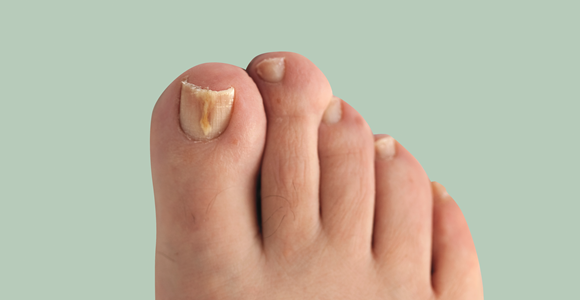
To put an end to fungus, it is very important to choose ingredients that affect their reproduction method, making it more difficult for them to multiply. Treatment must be applied daily until the condition heals. Onychomycosis is the scientific name for the condition caused by a fungal infection in the nails. It is a condition that affects nails that are damaged or that are regularly exposed to a wet environment. What can you do about nail fungus? Learn the toenail fungus treatment and remedies.

Candida is one of the most common types of fungus that affects the nails, causing discoloration, from black to green or the well-known yellow. The thickness of the nail also increases. In the milder form, the problem is often not noticed because there are no symptoms. However, the infection can get worse and become painful. There is even a chance that the nail will deform and fall off the toe.

Fortunately, there are a few natural solutions that will help you speed up the healing process. They will also improve the appearance of the nail. This time we want to share with you six simple anti-fungal remedies that you can use whenever you need it. Try it today!

Apple cider vinegar and hydrogen peroxide against nail fungus

The combination of apple cider vinegar and hydrogen peroxide provides a powerful anti-fungal agent to help remove mold from the nails of hands and feet. The properties are also improved if you add 90% rubbing alcohol to it. This is an antibiotic and antiseptic that can fight thousands of bacteria.

Garlic against nail fungus

Garlic is one of the most effective natural antimicrobials that you can use to treat nail fungus. You can apply it directly to the nail. However, you can also enjoy the healing effect by using it in a foot bath.

Tea tree oil

Tea tree oil is used worldwide for the treatment of fungal infections. It is namely an antiseptic, anti-inflammatory and antifungal agent. As a result, it inhibits fungal growth. It also improves nail health.

Vicks VapoRub

Vicks VapoRub is an ointment used to relieve the symptoms of respiratory problems, for example in the case of a cold. However, what many people do not know is that the antimicrobial properties can also help heal nails infected with fungus. These simple home remedies prevent the fungus from growing so that damage to the nail is prevented.

However, keep in mind that it may take a while before the result is visible. This only happens if these remedies against nail fungus are used consistently.