I enjoy learning about diet. I had to be really careful about what I ate throughout pregnancy, but it was easy because I had morning sickness all the time and didn’t have any horrible cravings. Since none of the meals sounded appetizing, I might as well eat healthily. But after my baby was born, my hunger returned! I consumed a great deal of each food. While not all of my decisions were poor, I wasn’t very cautious and wasn’t concerned about it. Since I was no longer pregnant, there should be no concerns regarding the health of the unborn child.
However, what about nursing?
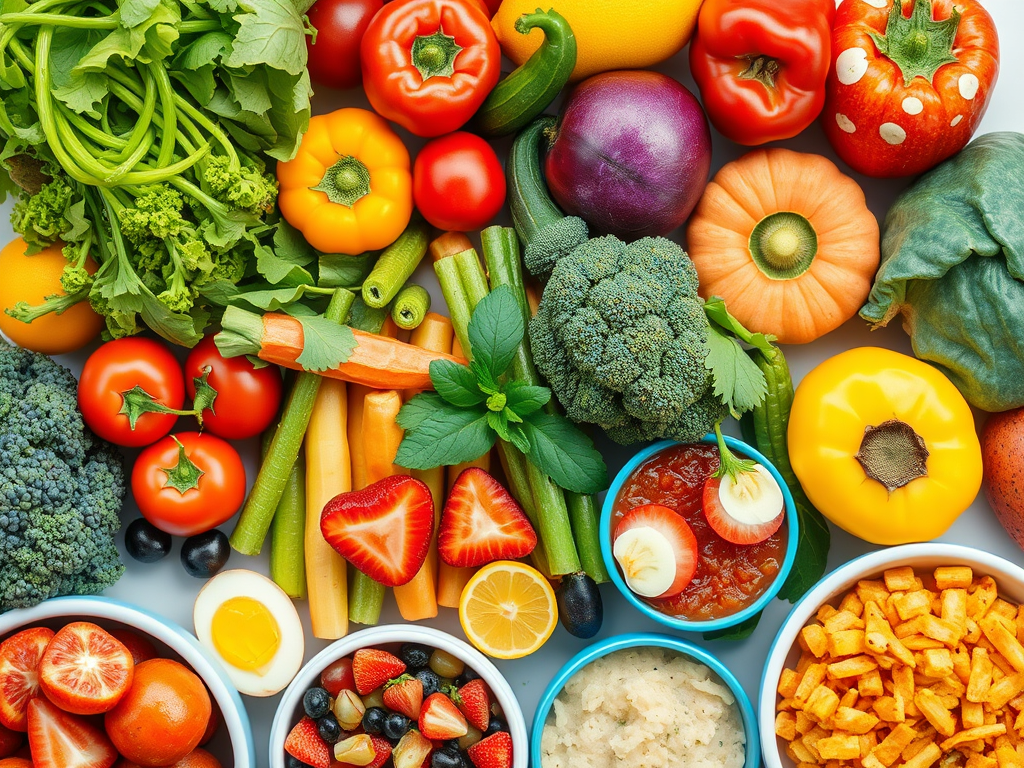
In fact, there can be issues with nursing nutrition. Many people are curious about how to eat to get the best amount and quality of breast milk. However, is there anything that diet can truly assist with?
The response is a little unclear. Actually, there isn’t much evidence to support the claim that a certain meal type is particularly beneficial for milk production and quality.
From a more general evolutionary standpoint, this is most likely a beneficial thing. At all costs, your body is set up to safeguard your milk supply. Your breast milk production would most likely continue for a while even if you were to go through a famine and find very little food at all. To safeguard that milk supply, your body will draw on its reserves, which naturally safeguards the infant.
Read More: Best Pediatric Doctor in Lucknow
Can I eat whatever I want, then?
Even while your dietary decisions may not have a significant impact on the quantity and quality of your milk, they can undoubtedly have an impact on other aspects. People who eat poorly feel less happy. Your energy levels may be low, or you may be particularly irritated. You might have more difficulty falling asleep. Feeling your best as a new parent is undoubtedly beneficial, and eating well is a terrific way to do this.
Your ability to breastfeed can undoubtedly be impacted by your mood and amount of energy. You will have more energy, sleep better, and be more inclined to continue nursing as frequently as necessary to guarantee a good milk supply—even if that means getting up frequently and patiently sitting through cluster feeding days.
How is the infant doing?
Even when you have an abundance of high-quality milk, your infant may be impacted by certain factors.
For instance:
Use caffeine with caution. Although caffeine does end up in your breast milk, a moderate dose shouldn’t have an impact on your unborn child. However, excessive caffeine use may have an effect. Your infant may become wakeful, restless, fussy, or angry. Keep an eye on your baby’s behavior in relation to your coffee intake because some babies are more sensitive to it than others. Iron levels in breast milk can also be decreased by ingesting more than 450 mg of caffeine per day, or four to five cups. Iron is a crucial vitamin for a baby’s development and is provided by breast milk until the baby is old enough to take solid foods.
foods that cause allergies. Certain foods you eat can cause sensitivities in some newborns, which are then transferred through breast milk. For instance, some babies have a dairy allergy, though this is uncommon. The babies may exhibit some really clear symptoms when they consume dairy products, but your breast milk is not the issue. They can develop a skin rash, colic, or stomach pain. They might even experience breathing difficulties, bloody diarrhea, and vomiting. If you see any of the symptoms, it’s critical to get in touch with your pediatrician right away because this might be rather serious. Fortunately, you can stop it from continuing if you cut dairy out of your diet while nursing. Additionally, it may be wise to closely monitor what you eat and how your baby reacts after their next meal if either parent or a sibling has a history of severe food allergies.
Postpartum recovery nutrition
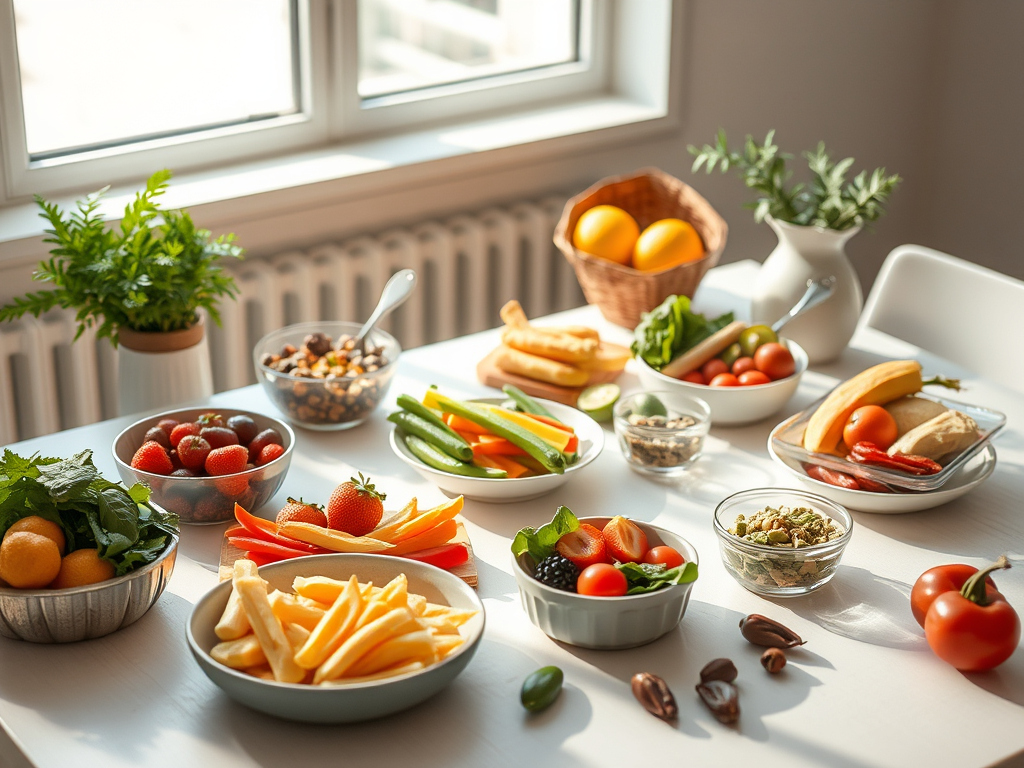
There are also significant changes occurring in a postpartum body, even though your breast milk supply may not be particularly sensitive to your diet. It’s critical to provide your body with healthy nourishment as it heals after pregnancy and childbirth. Energy levels, mood swings, postpartum hemorrhage, and digestion can all be greatly improved with proper diet. All of these are places where postpartum healing is difficult.
During this time, your uterus is contracting and changing, while your other organs are returning to a more typical position. This change may have an impact on bowel movements, urine, and digestion. It helps when you eat healthily and drink plenty of water.
After birth, you suffer a significant drop in several hormones, and it may take some time for them to return to their normal balance. You might be depressed or unhappy. You may become agitated. You may have poor energy and difficulty sleeping. You might have increased anxiety. Although eating healthily won’t “fix” all of these symptoms, it will help you make sure that you’re not exacerbating them, and a healthy diet can undoubtedly help.
After giving birth, vaginal bleeding may be extremely heavy for a few days before tapering down and stopping entirely over the course of several more weeks. By six weeks, most people stop bleeding. To ensure that the blood loss has as little impact as possible on your health and mood, you should make sure you’re obtaining all the nutrients you can from your diet and drinking lots of water.
Iron
Maintaining healthy blood iron levels is crucial for two reasons. Your iron levels may decrease as a result of persistent vaginal bleeding. It’s also critical that your infant has adequate iron, which is provided by your breast milk. Your baby will receive less iron if your iron levels drop. Some foods that are high in iron include these.
It is always best to absorb heme iron. In other words, iron derived from animals. Additionally, the highest iron content comes from these sources:
Clams and other shellfish rank highest by far!
Organ flesh comes next. Yes, the kidneys, liver, and heart.
Red flesh next.
Thigh of chicken
Salmon
Although non-heme iron and vegetable sources have a far lower iron concentration and are less absorbable, you can still obtain some additional iron from:
Cocoa powder without sugar
Cashews with Natto
Spinach cooked
The Tahini
Beans that have been cooked
Tough tofu
Broccoli
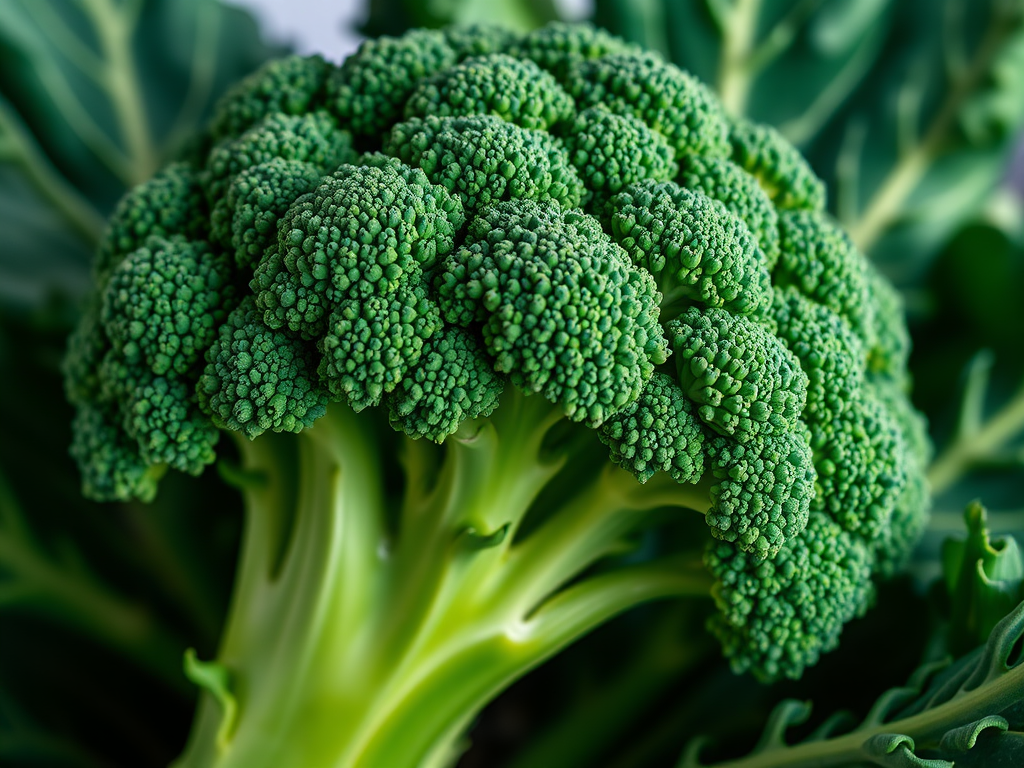
Some people still require supplements, so you may include some of this in your rotation. If you experience any of the following signs of iron-deficiency anemia, consult your provider:
Having yellow, “sallow,” or pale skin
Inexplicable exhaustion or low vitality
Chest pain or shortness of breath, particularly during physical activity
Generalized weakness that cannot be described
Fast heartbeat
“Whooshing” or pounding in the ears
headache, particularly when you’re active
A “picophagia” is a craving for clay or ice.
Smooth or sore tongue
Hair loss or brittle nails
When you eat well, you can never go wrong. You’ll feel and look better, mend and recover more quickly, and you might even make sure you’re producing the greatest breast milk possible. Healthy eating is, in my opinion, the best kind of self-care. Eating healthily can require some time and work, but the benefits are significant. You’re worthy!
 My Personal Care Tips